What will happen
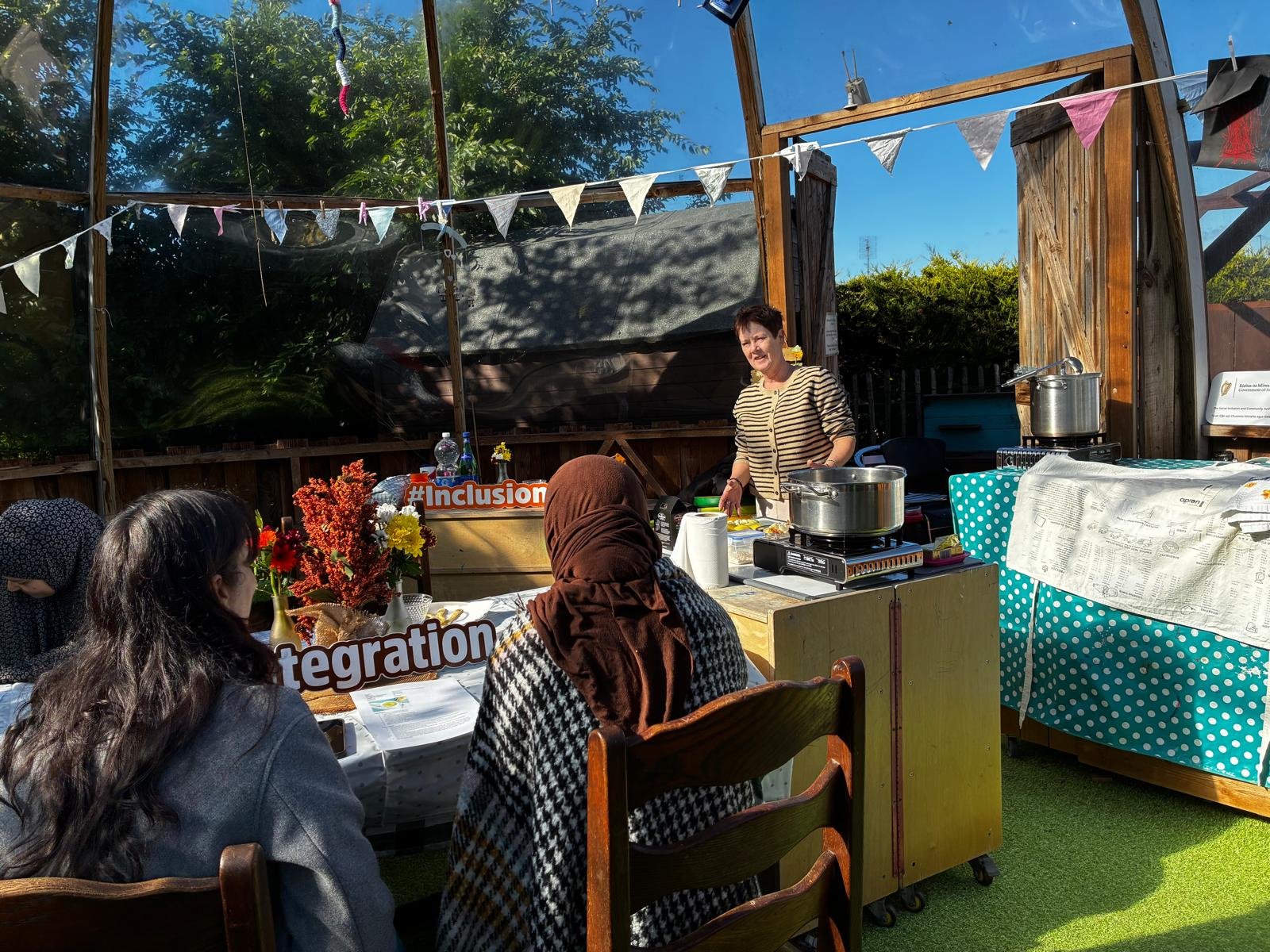
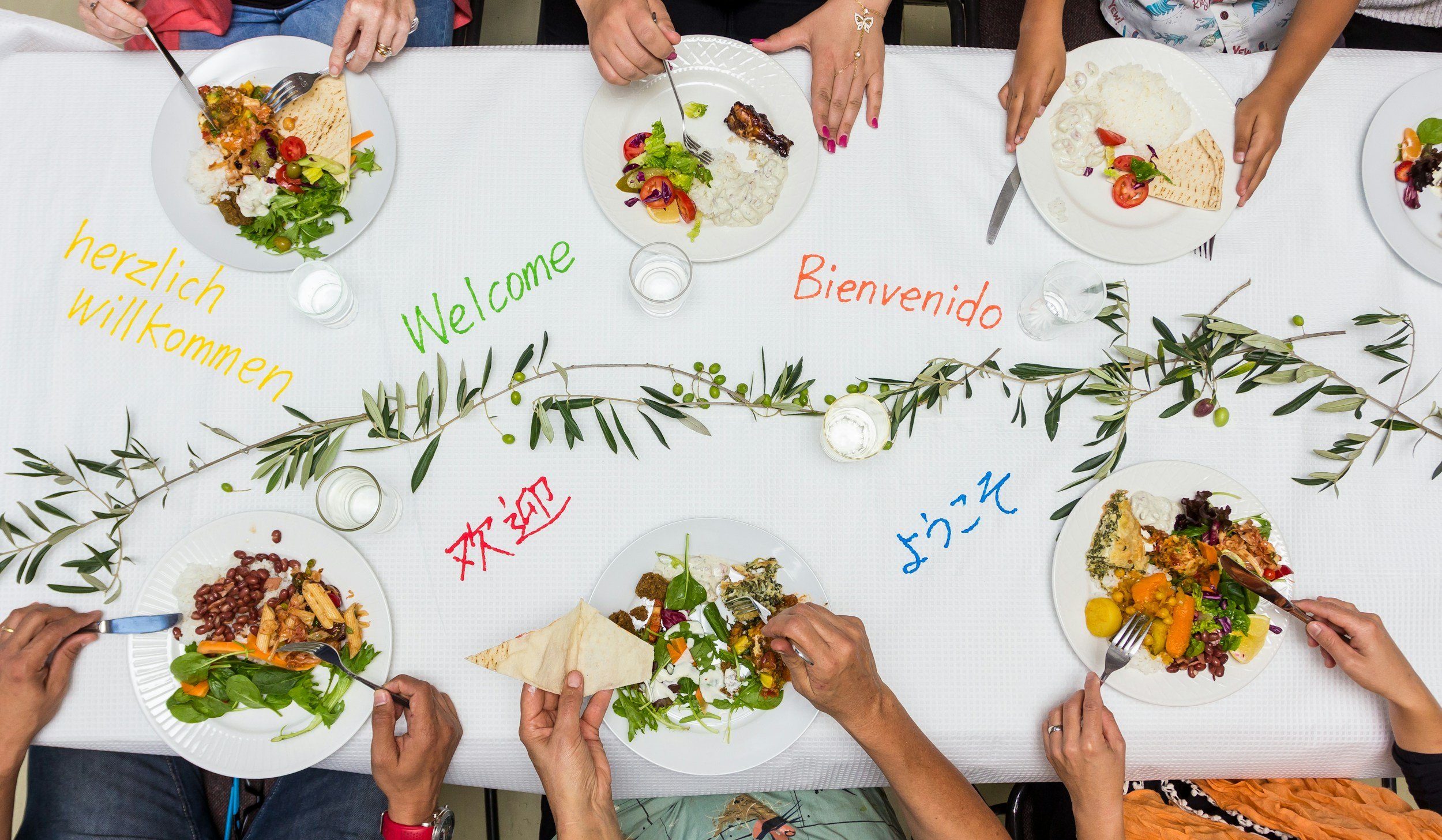
Small groups take turns cooking a favourite dish and sharing the stories, memories or traditions that go with it. Food is a universal language, and it opens conversations between people who might not otherwise meet. Run it as a one-off evening or a short series, with a different person or family sharing each time.
Who is involved
Local residents and newcomers – 4 to 8 people is ideal
A coordinator or facilitator
Community groups and volunteers
A community centre, family hub or other venue with a kitchen
What are the steps in making it happen
Find a venue with a kitchen.
Invite a mixed group of people.
Agree a schedule, with one person or family hosting each session.
Help hosts plan their dish and what they'd like to share.
Get the ingredients and set up.
Cook, eat and talk.
Repeat as a short series or keep it going.
Inclusion Tip
Ask people what they'd like to share rather than assuming. Taking part is always voluntary, and people share as much or as little of their story as they want.
What resources are needed
A kitchen and cookware
Tables and seating
A small ingredients budget
A coordinator
Printed recipes, in more than one language if you can
What are the logistics in getting it off the ground
Keep the group small to build trust. Same venue, regular time, informal feel. Let the group shape it: choosing recipes, traditions and future themes.
How you'll know it's working
People keep coming and bring recipes and stories
New friendships form
People feel more confident and connected
What people tell you
The group asks for it to continue
Links to examples
Salam Bia Comunidad, Clonakilty – a six-week food skill-share run by WCDP with Clonakilty Friends of Asylum Seekers, where participants shared the food, stories and heritage of their home countries.
Healing through storytelling (Creshendo) – how sharing stories supports migrants.
Owning My Story (EPALE) – storytelling for refugee and migrant self-advocacy.