

What will happen
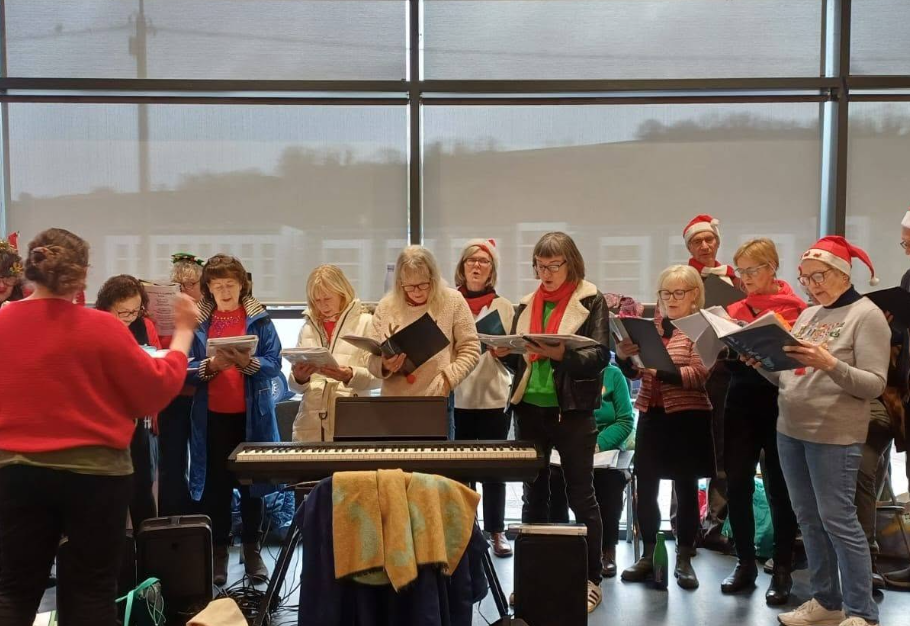
Music brings people together across languages and generations. Your group might be a choir, a trad session, a ukulele group, a drumming circle, an open mic or an intercultural jam. People learn songs from different cultures, share music from their own heritage, and work towards relaxed performances. Joining in matters more than musical ability.
Who's involved:
Singers and musicians of all abilities
A volunteer music leader or facilitator
Local residents and newcomers
Existing choirs, schools, arts groups and festivals
What are the steps in making it happen
Find a volunteer to organise.
Set up a WhatsApp or Facebook group
Spread the word
Hold a first meet-up and find out which languages people want to practise
Keep it informal and let conversations flow
Ask for feedback and set the next date
Inclusion Tip
Pick songs that reflect who lives in your town, and invite people to bring music from their own culture. Enthusiasm counts for more than experience.
What resources are needed
A venue
A music leader
Lyric sheets, instruments or sound equipment (if needed)
Refreshments
What are the logistics in getting it off the ground
Before starting from scratch, talk to existing choirs and music groups: many would welcome new members or a joint project. Start small, meet regularly, and build towards a low-pressure showcase that celebrates taking part, not perfection.
How you'll know it's working
People come back
The number of languages in the room
New friendships
The group grows
What people tell you
Links to examples
Intercultural Choir, Kraków – supported by IOM, migrants and locals sang together in many languages
Song Seeking (Creative Ireland, 2019) – a choir in a Direct Provision centre joined local choirs for shared performances
One Town One Voice – community choirs building belonging through singing
Bantry Community Choir and Clonakilty Voices – local choirs to connect with
Music Bridge – community music projects
