

What will happen
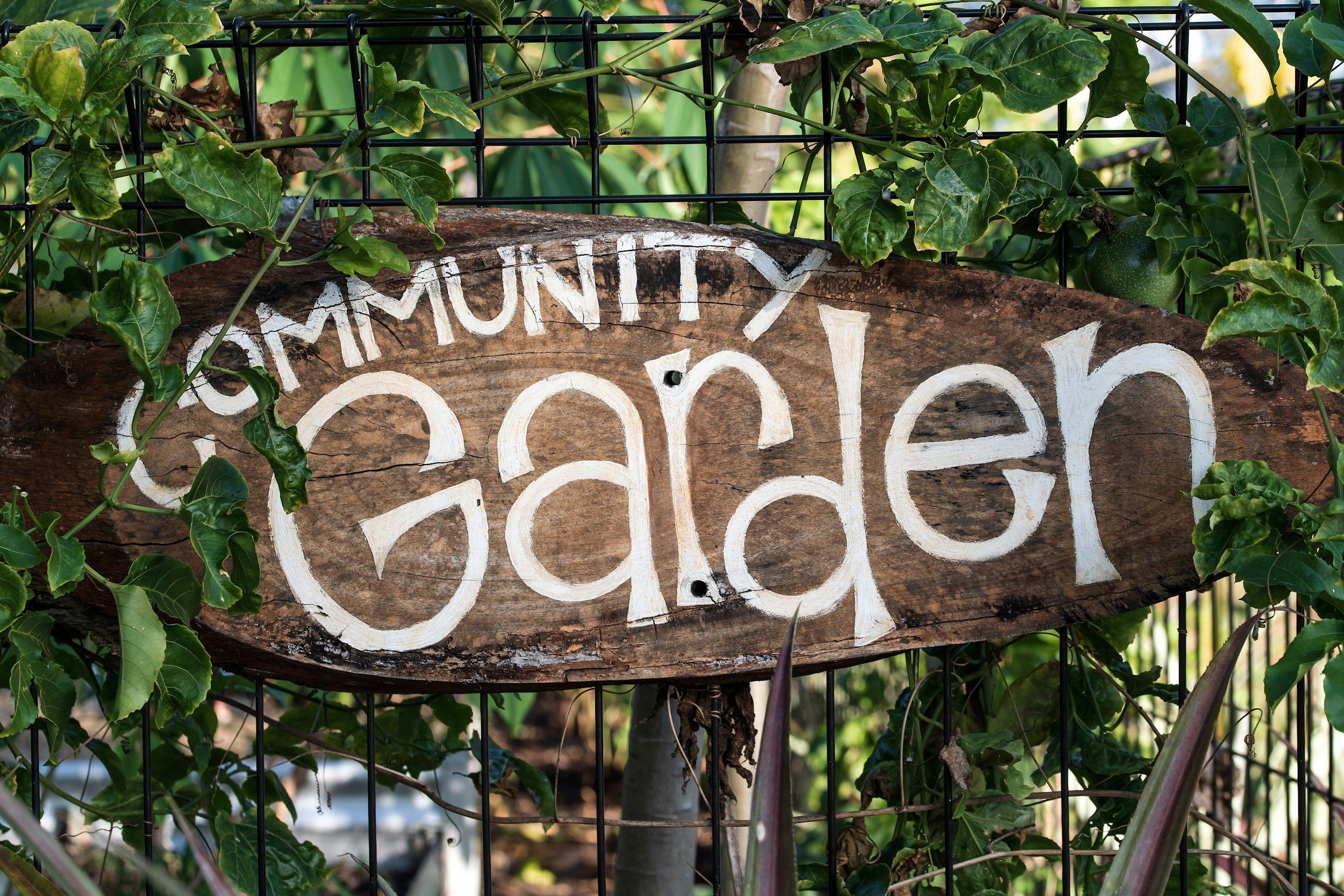
A community garden brings people outdoors to grow food and learn from each other. It could be a dedicated garden, raised beds in a public space, a school garden or a shared growing project. For newcomers, growing familiar herbs and vegetables can bring a sense of home, while sharing seeds, recipes and growing traditions from around the world creates real exchange. Gardens also support wellbeing and ease isolation.
Who's involved
Local residents, newcomers and long-term residents
Gardening enthusiasts
Schools and youth groups
Community groups
The local authority or landowner
What are the steps in making it happen
Find a site or growing space
Bring interested people together
Agree what you want the garden to be
Prepare the site and planting areas
Collect tools, seeds and materials
Hold regular gardening sessions
Share harvests, skills and knowledge
Celebrate with an open day or harvest event
Inclusion Tip
Growing traditions differ around the world. Invite people to share seeds, crops, recipes and know-how from their own cultures.
What resources are needed
Land or growing space, and water
Basic tools and storage
Seeds, plants and compost
Volunteers and a coordinator
What are the logistics in getting it off the ground
Start small. Raised beds or containers work where space is tight. Set regular sessions and share the jobs. Schools, community centres, local businesses and environmental groups can help with land, tools and materials. Check in with your local allotments or shared gardens first.
How you'll know it's working
The number and mix of people taking part
People come regularly
Skills and seeds get shared
New friendships
What people tell you
Links to examples
Growing Roots, New Zealand – helping families from refugee backgrounds grow food and keep culture alive
GIY (Grow It Yourself) – supports people and communities across Ireland to grow food
Prinzessinnengarten, Berlin – a well-known urban community garden
Barenton shared garden, France – a garden set up to welcome refugees (article in French).
